North Yorkshire has thousands of listed buildings and a great many conservation areas, from the market places of Thirsk and Ripon to whole villages in the Dales. If your home is listed or in a conservation area, the rules are different, and it pays to understand them before you plan any work.
What listing means
A listed building is one that has been recognised as being of special architectural or historic interest. Buildings are listed at Grade I, Grade II* or Grade II. Most listed homes are Grade II. Listing covers the whole building, inside and out, and usually anything fixed to it and some structures within its grounds, not only the parts mentioned in the list entry.
You can check whether a building is listed on the National Heritage List for England, which is searchable online.
Listed building consent
You need listed building consent for any work that affects the character of a listed building. That can include things people do not expect: replacing windows or doors, removing internal walls or fireplaces, changing roof coverings, repointing in a different mortar, or fitting a new kitchen that alters the fabric.
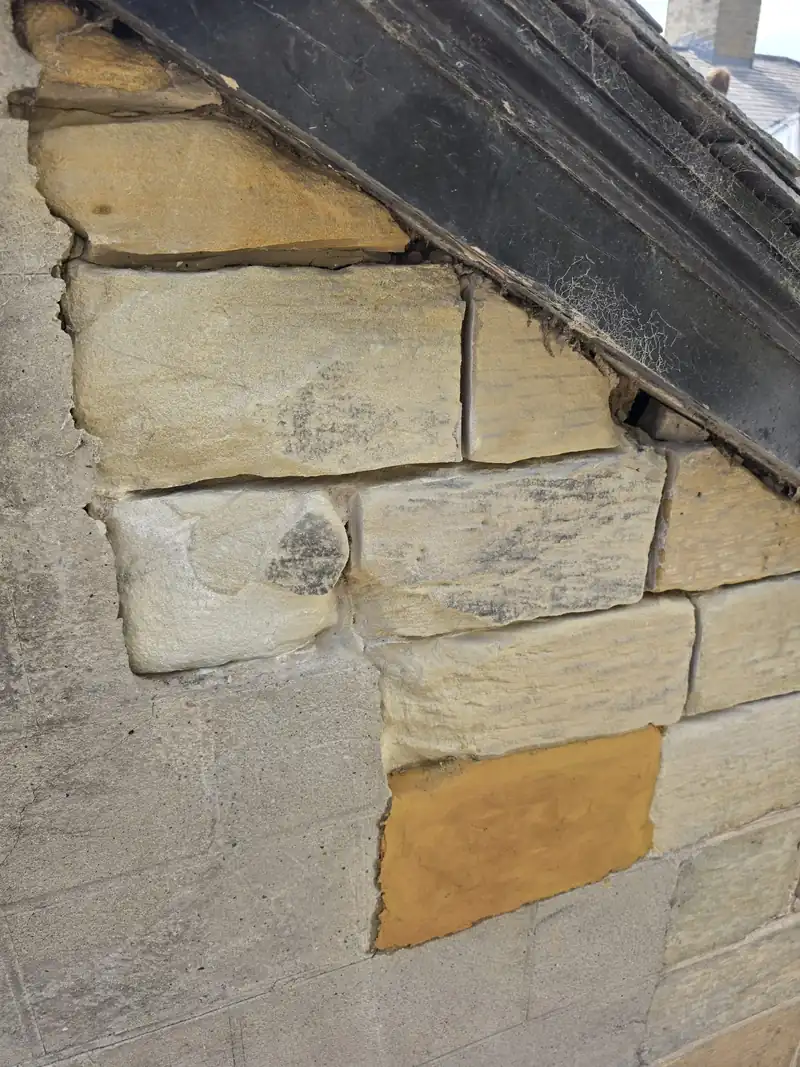
Like for like repairs using the same materials and methods often do not need consent, but the line is not always obvious. Your conservation officer can advise.
Conservation areas
A conservation area protects the character of a whole place rather than a single building. If you live in one, some permitted development rights are reduced. Side extensions, for example, are not permitted development, and cladding the outside of a house needs permission.
- Demolishing a building, or a substantial part of one, usually needs planning permission.
- Trees are protected. You normally have to give the council six weeks' notice before cutting down or pruning a tree above a certain size.
- Some areas have an Article 4 direction, which removes further rights. It can mean you need permission for new windows, doors, roof coverings or even painting the front of the house.
Getting work approved
- Find out exactly what protection applies. Check the list entry, the conservation area appraisal and any Article 4 direction.
- Use an architect or designer with conservation experience. They will prepare a heritage statement explaining why the work is appropriate.
- Talk to the conservation officer early. Many councils offer pre application advice.
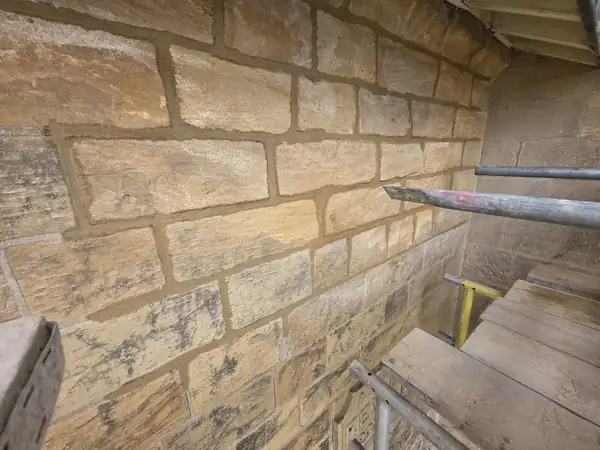
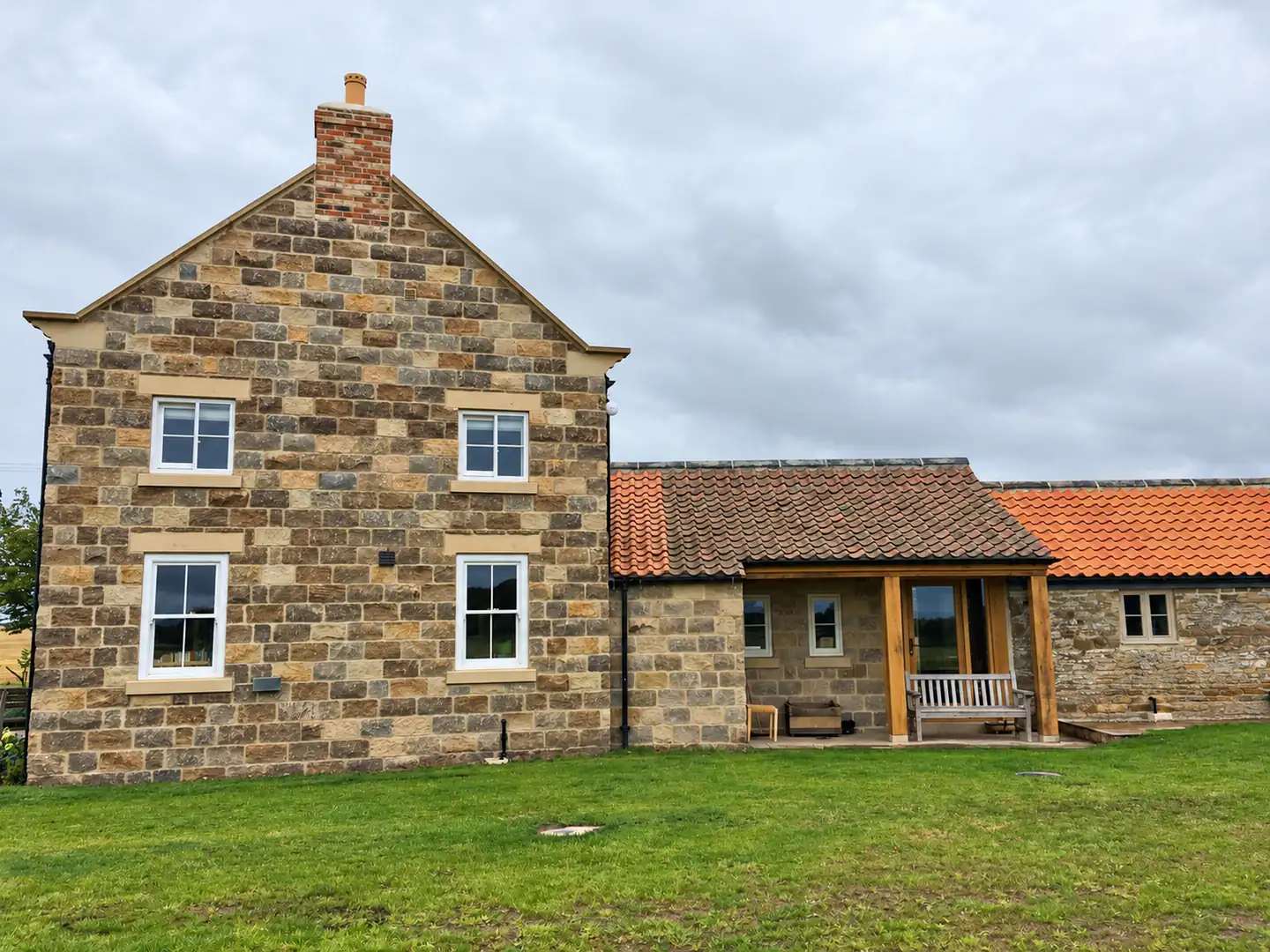
- Specify traditional materials: lime mortar and plaster, matching stone and brick, timber windows, natural slate or clay pantiles.
How we work on historic homes
Much of Lewis's career has been spent on listed and estate property, including Swinton Park, Rudding Park and Newby Hall. We repair rather than replace where we can, and use lime where the building needs it. Read more about period restoration and lime mortar.